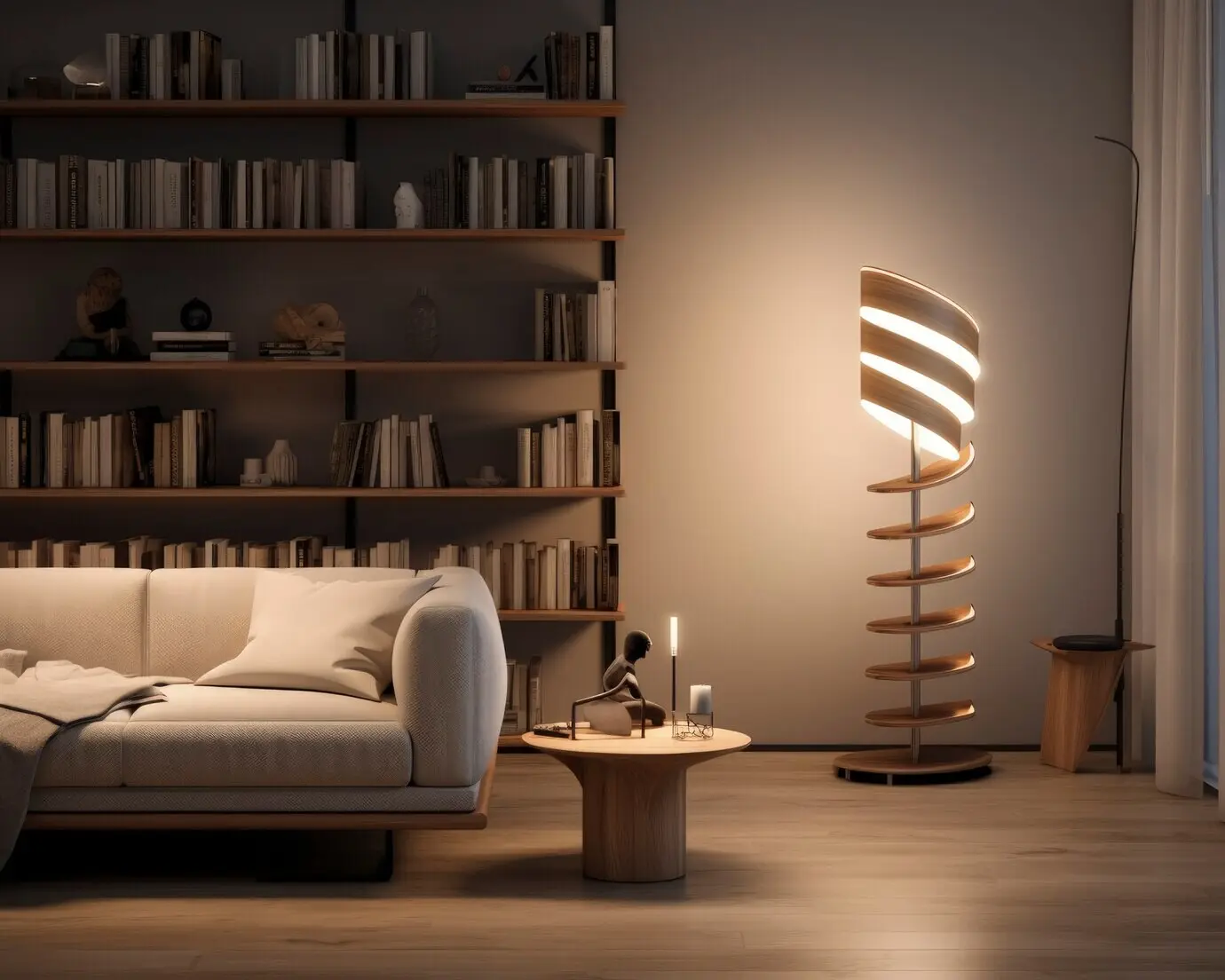
Quiet Luxury, Tangible Calm

In this edition, we delve into Acoustic Comfort and Textural Warmth: Creating Serenity in Small Luxury Interiors, revealing how silence, softness, and scale collaborate to restore balance. Expect practical details about materials, layout, and lighting, plus sensory tricks that hush hard surfaces without sacrificing sophistication. We’ll translate acoustic jargon into elegant design moves you can actually deploy at home, whether your space is a city studio or a jewel-box suite. Share your questions and cues; we love hearing how you cultivate stillness and invite gentle texture into everyday rituals.

The Science of Silence in Small Luxury Rooms

Quiet is designed, not accidental. In compact spaces, surfaces sit close together, so reflections bounce faster and louder, turning simple conversations into fatigue. Understanding absorption, diffusion, and isolation lets you tune a room like an instrument. We’ll demystify reverberation, address sneaky mechanical hums, and show how thick, tactile finishes change perceived comfort dramatically. Use these principles to transform petite footprints into restful, whisper-soft retreats that still feel indulgent, intimate, and impeccably composed.

Absorption Basics for Beautiful Calm

Soft, porous materials convert sound energy into heat, reducing reflections that make rooms feel edgy. In small interiors, every square meter counts, so layer strategic textiles—wool rugs, bouclé upholstery, linen drapery—to increase surface absorption without bulk. Aim for coverage at first reflection points while keeping pathways uncluttered and graceful.

Diffusion, Not Deadness

The goal is livable hush, not a recording booth. Diffusive elements scatter sound, preserving clarity and sparkle without harsh slapback. Bookshelves, fluted panels, sculptural ceramics, and pleated textiles break up waves artfully. Mix them with absorptive zones to create even sound that flatters conversation, music, and late-night whispers.

Isolation Where It Matters

Block transmission, then refine the interior. In apartments, doors, thresholds, and party walls are weak links. Consider solid-core doors, perimeter seals, dense rugs over shared floors, and decoupled panels where feasible. Reduce mechanical noise with quiet fans and soft-close hardware, lowering baseline sound so subtle textures can sing.

Materials That Whisper: Textures With Purpose

Texture is not only visual; it is acoustic behavior you can feel. Dense fibers, napped surfaces, and layered weaves trap and tame sound while radiating warmth. We explore wool, felt, velvet, cork, cork-laminate, limewash, microcement, and boucle, identifying placements that yield generous calm without sacrificing refinement. Learn how underlays, interlinings, and backing fabrics quietly boost performance while keeping profiles slim, luxurious, and impeccably tailored.

Rugs and Underlays That Anchor the Room

A heavy wool or silk-blend rug over a dense rubber or felt underlay softens footfall, swallows chatter, and visually unifies furniture groupings. In tiny rooms, choose one generous piece to reduce seam lines. Consider hand-knotted textures or carved piles that invite bare feet and gently scatter mid to high frequencies.

Drapery That Performs

Floor-to-ceiling drapery adds instant elegance and meaningful absorption. Select lined linen, wool sateen, or velvet with interlining; deep pleats increase surface area, boosting effect. Mount close to the ceiling and cover wall beyond the window reveal to treat hard edges. Motorization with slow starts prevents abrupt noise and feels decadent.

Walls You Want to Touch

Cork panels, grasscloth, limewash, or suede-effect paints lend tactile depth while damping flutter. In small luxury interiors, a single accent wall can recalibrate the whole acoustic signature. Build compositions with art and sculptural sconces that double as diffusers, turning the surface into a soft, light-catching backdrop for intimate conversation.

Quiet Architecture and Joinery Details

Details make serenity durable. Because small homes compress experience, door swings, cabinetry, and thresholds carry outsized influence. Seal gaps, soften contact points, and specify mass where isolation matters. Thoughtful joinery choices—soft-close slides, felt pads, fabric-wrapped panels—reduce incidental sounds that erode calm. Your everyday gestures become quieter, and rooms immediately feel more gracious.

Dim-to-Warm and Layered Lighting

Even small rooms deserve layers: ambient wash, focused tasks, and intimate accent glow. Use dim-to-warm LEDs to mimic candlelight rhythms, softening edges as evening descends. Fabric shades, frosted glass, and perforated metals diffuse photons like acoustic diffusers handle sound, rounding corners and flattering textured materials without visual glare.

Color That Grounds and Warms

Choose hues with low chroma and generous gray to calm the eye. Warm neutrals amplify natural materials and make shadows buttery, which magically reads as softer sound. Carry the primary wall color onto ceilings or millwork to reduce contrast lines that otherwise buzz with visual noise in tight quarters.

Metal, Glass, and the Art of Matte

Highly polished surfaces look glamorous but ping sound. Specify satin brass, brushed nickel, smoked mirror, and etched glass to retain sparkle while softening reflections. Where gloss is essential, pair it with adjacent velvet, cork, or boucle, balancing light play and hush so luxury reads refined, not brittle.

Lighting, Color, and Perception: Softness You Can Hear

Light guides how we judge texture and space. Dim-to-warm sources, shaded fixtures, and matte finishes visually quiet edges, lowering perceived brightness and stress. Pair with grounded color palettes—stone, taupe, moss, inky navy—to frame calm. By aligning sensory inputs, the mind relaxes faster, and subtle acoustic upgrades feel incredibly effective and generous.

Layouts and Zoning: Breathing Room in Compact Plans
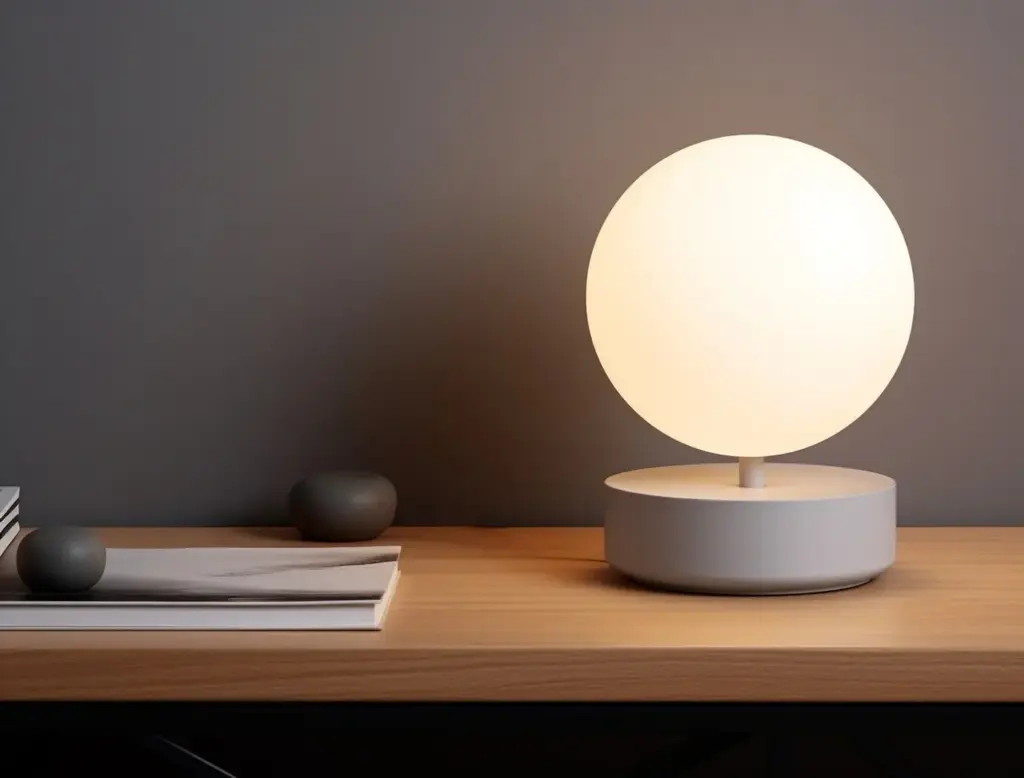
Placement changes everything. Pull sofas a few inches off walls, float rugs square to conversation, and leave generous negative space around doorways. These moves loosen standing waves and invite gentle flow. Define quiet nooks for reading or tea, buffering them with bookcases, plants, or textile screens that look intentional and feel soothing.

Case Study: A Pocket Loft Becomes a Cocoon

A young composer’s 34-square-meter loft sounded lively but felt restless. We introduced layered textiles, cork paneling, and solid-core doors, then tuned lighting and color to harmonize perception. The space now invites slow mornings and late-night listening, with friends marveling at how intimate and refined it feels despite its tiny footprint.
Xohufunukafifevarotalu
Privacy Overview

This website uses cookies so that we can provide you with the best user experience possible. Cookie information is stored in your browser and performs functions such as recognising you when you return to our website and helping our team to understand which sections of the website you find most interesting and useful.