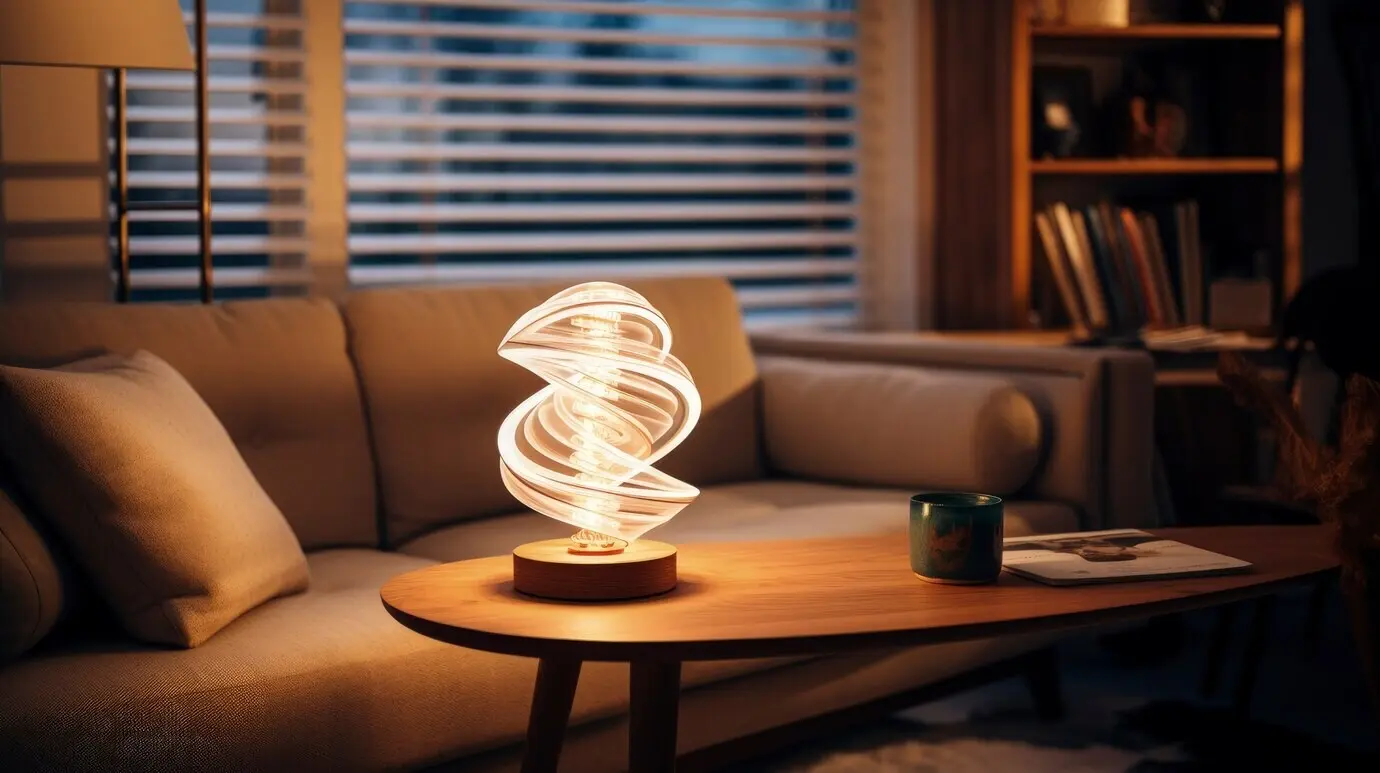


Choose a restrained color family that flatters natural light and expands your sense of space. Think layered neutrals with subtle undertones—mushroom, oat, chalk, clay—punctuated by low-contrast accents like ecru velvet or tobacco linen. Use the same palette across textiles and trays to reduce visual noise. If you crave art or pattern, keep lines soft, frames slim, and repetition consistent, letting continuity do the heavy lifting without shouting for attention.
Elevate the tactile experience with a hierarchy of textures that reads rich yet relaxed. Pair nubby bouclé with washed linen, oak grain with honed stone trays, matte ceramic with brushed brass. These touches catch light softly and invite the hand. Peel-and-stick grasscloth-style panels, linen-look curtains, and wool-blend rugs add acoustical calm. Keep reflective surfaces measured, so sheen feels intentional, never flashy, and the overall mood stays grounded and comfortably understated.
Respect scale and circulation like a curated gallery. Select slender, leggy furniture that reveals floor area, and use wall-mounted, removable storage to lift weight off the ground. Leave negative space around frequently used items so movement feels effortless. Choose fewer, larger art pieces over many small ones to reduce clutter. The result is an easy rhythm where your eye can rest, your body can navigate gracefully, and the room maintains its poised equilibrium.

Use peel-and-stick murals in soft, textural motifs—limewash effects, linen weaves, or plaster-inspired patterns—to introduce movement without busy repetition. Apply in a single accent panel behind a sofa or headboard, not across every wall. This targeted approach creates depth and quiet drama while protecting tiny-home openness. For a bespoke note, add narrow wood-look removable trim to frame panels, echoing boutique hotel calm without a single nail or permanent adhesive.
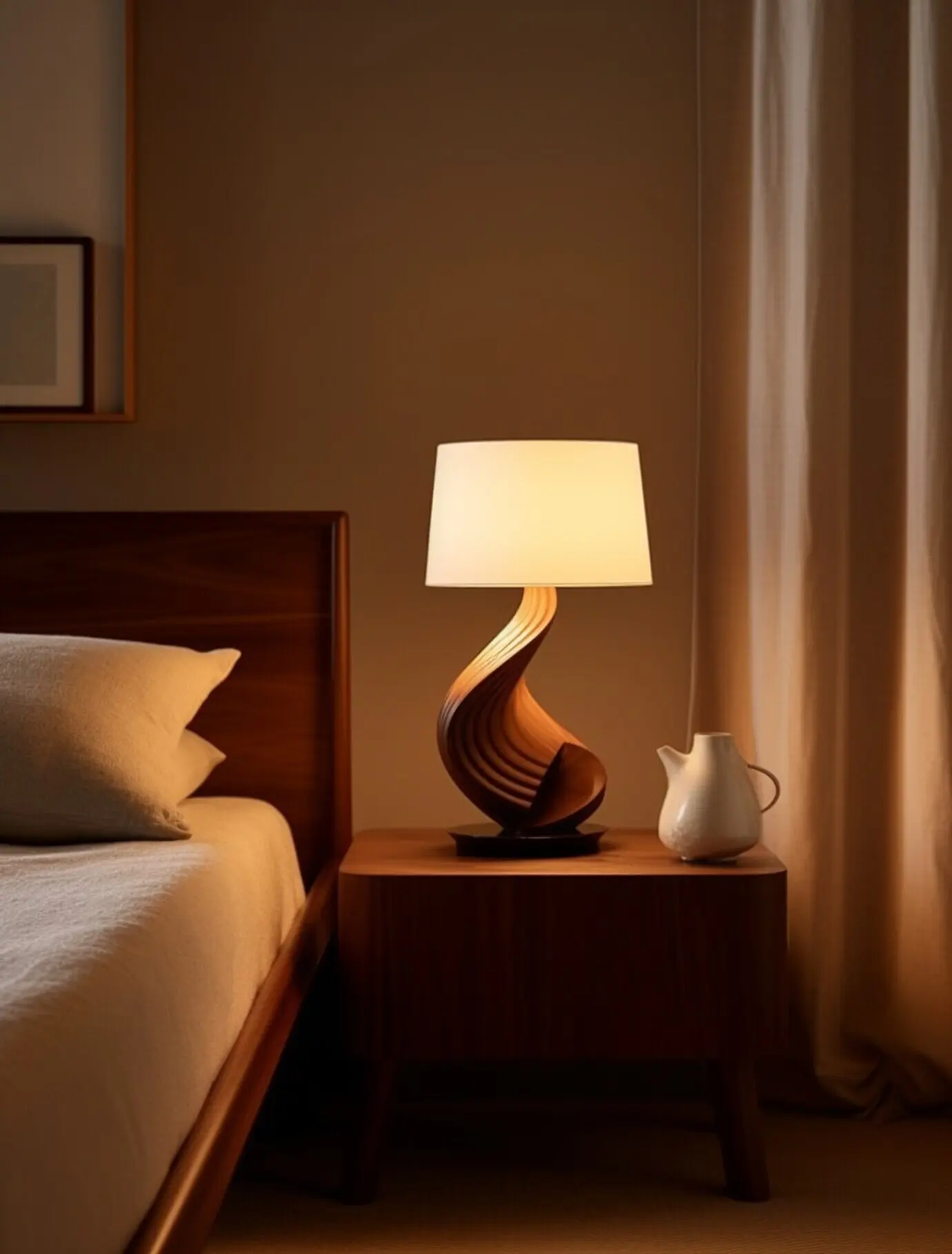
Cover tired counters with high-quality, heat-tolerant vinyl in honed marble or soapstone looks, cutting around sinks with a sharp craft knife and sealing edges with removable caulk. For backsplashes, consider stainless peel-and-stick sheets near heat, and matte subway-tile decals elsewhere. Keep patterns minimal to avoid visual clutter. Add a slim, non-drill ledge for spices and art, turning utilitarian zones into quiet vignettes that feel intentional and effortlessly refined.
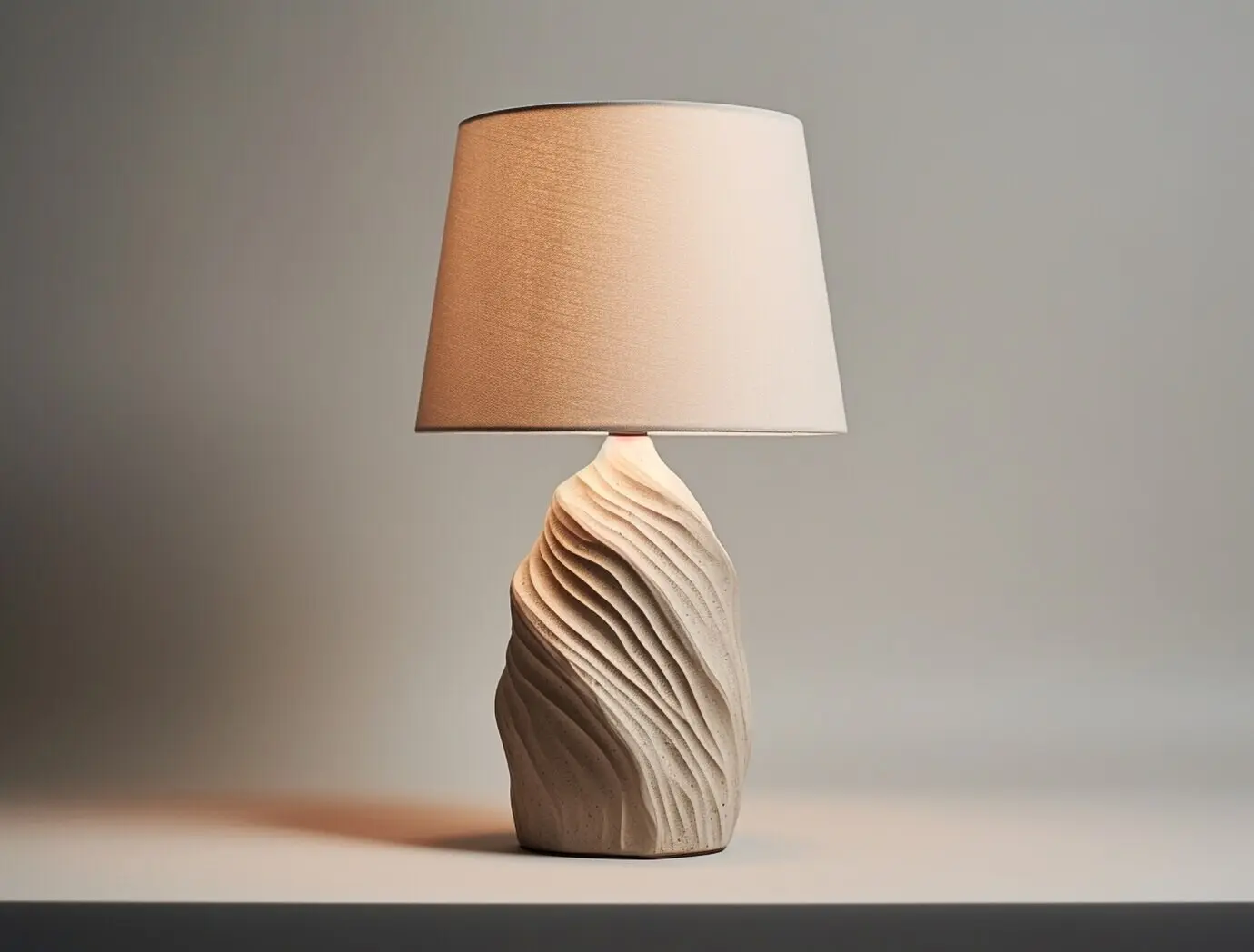
Introduce calm underfoot using interlocking vinyl planks or cork tiles laid as a floating layer, respecting thresholds and leaving baseboards untouched. In living zones, invest in a single, large rug with a wool blend and a felt rug pad, which improves acoustics and comfort while visually enlarging the room. Keep patterns broad and low contrast, letting texture and a grounded color carry the luxurious, hushed tone across the entire tiny home.

Build a baseline glow with soft, diffused sources that erase harsh shadows. A plug-in pendant with a fabric shade, a floor lamp pointed at the ceiling, and cove-style LED strips under shelves can work together without clutter. Keep cords tidy with adhesive clips. Dimmers or smart plugs let you orchestrate brightness easily, shifting from focused tasks to relaxing evenings while maintaining the gentle, enveloping hush that defines polished, understated comfort.
Use directional clip lamps at desks and kitchen counters to focus light exactly where you need it, protecting sightlines elsewhere. Choose finishes that echo your hardware for cohesion—brushed brass, soft black, or warm bronze. Avoid bluish bulbs that feel clinical in close quarters. With adjustable heads and dimmable controls, you gain precision without visual distraction. The result is clear function that still feels intimate, efficient, and quietly tailored to daily routines.
Place small, rechargeable lanterns on trays or books to create pockets of glow where walls feel bare. Backlight art with USB-powered frames, or highlight a shelf with a short LED strip tucked behind objects. In sleeping zones, amber night lights guide midnight steps without waking your senses. These refined gestures turn corners into moments, shaping a tiny home that unfolds gradually and gracefully as evening deepens and conversation softens.
Upgrade what your hands meet most often: door handles, drawer pulls, and faucet levers where allowed. Choose living finishes—brushed brass, burnished nickel—that age gracefully. Store original hardware safely for move-out. Use felt pads and silicone bumpers to refine closures and silence clatter. These micro-improvements compound, making every interaction feel smoother, quieter, and more deliberate, as if the tiny home were tailored to your habits with discreet, thoughtful precision.